
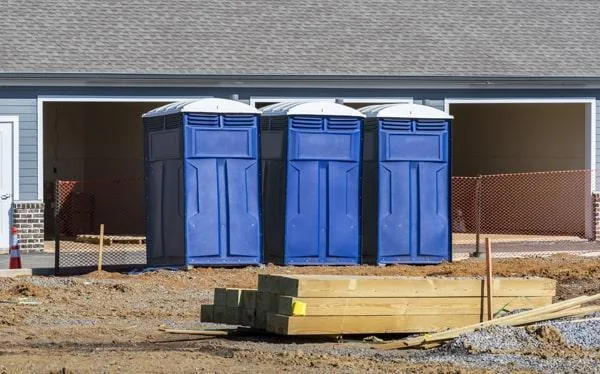
Equip the crew before work depends on it
Describe the people using the temporary facilities, including subcontractors and overlapping shifts. Explain which permanent bathrooms are genuinely available. The equipment request should reflect the workforce relying on it, not every person ever associated with the project.
Standard cabins provide a basic private toilet, and separate washing gives people a place to wash their hands. Include accessible provision or other required amenities explicitly. Discuss the actual equipment and quantity with the rental contact rather than assuming a standard package fits every job.
Keep sanitation in the operating routine
Ask how the cabins are supplied, cleaned and serviced while work continues. Retained-waste removal and consumables are important parts of the arrangement. For a washing station, review water, soap, drying supplies and used-water handling separately.
Give the site supervisor the service contact and a clear method for reporting a problem. Changes in workforce or work zones can affect use and access. Coordinate any equipment movement with the rental provider instead of treating a cabin like ordinary material that the crew can reposition.
Order a service that runs through the job
Provide the location, anticipated dates and workforce pattern through Get a Quote. Ask the proposal to state equipment, preparation, care, delivery and collection. Confirm the process for an extension or a revised service requirement.
If the job needs debris containers, request the Dumpster service with the material and loading details. Toilet waste and construction debris are different tasks. Review both clearly even when they share a receiving contact.
Questions before you book
Should contractor use be counted?
Include all people relying on the same temporary facilities, with relevant working periods and overlap.
Can the service be changed as the job develops?
Discuss changes in use, position or duration so the equipment and support can be reviewed and confirmed.